CourierVerse
CourierVerse is a location-based gamified running app that turns real-world movement into a virtual delivery game. I created the entire project independently from scratch, leading the full process from concept, UX/UI, and design system to development, backend, and deployment, while using AI tools throughout my workflow for research, prototyping, coding, and debugging.
courierverse.site
Year
2026
Category
Individual Project
My Role
Fonder/Designer/Developer
Tools
Figma/Claude Code/Expo
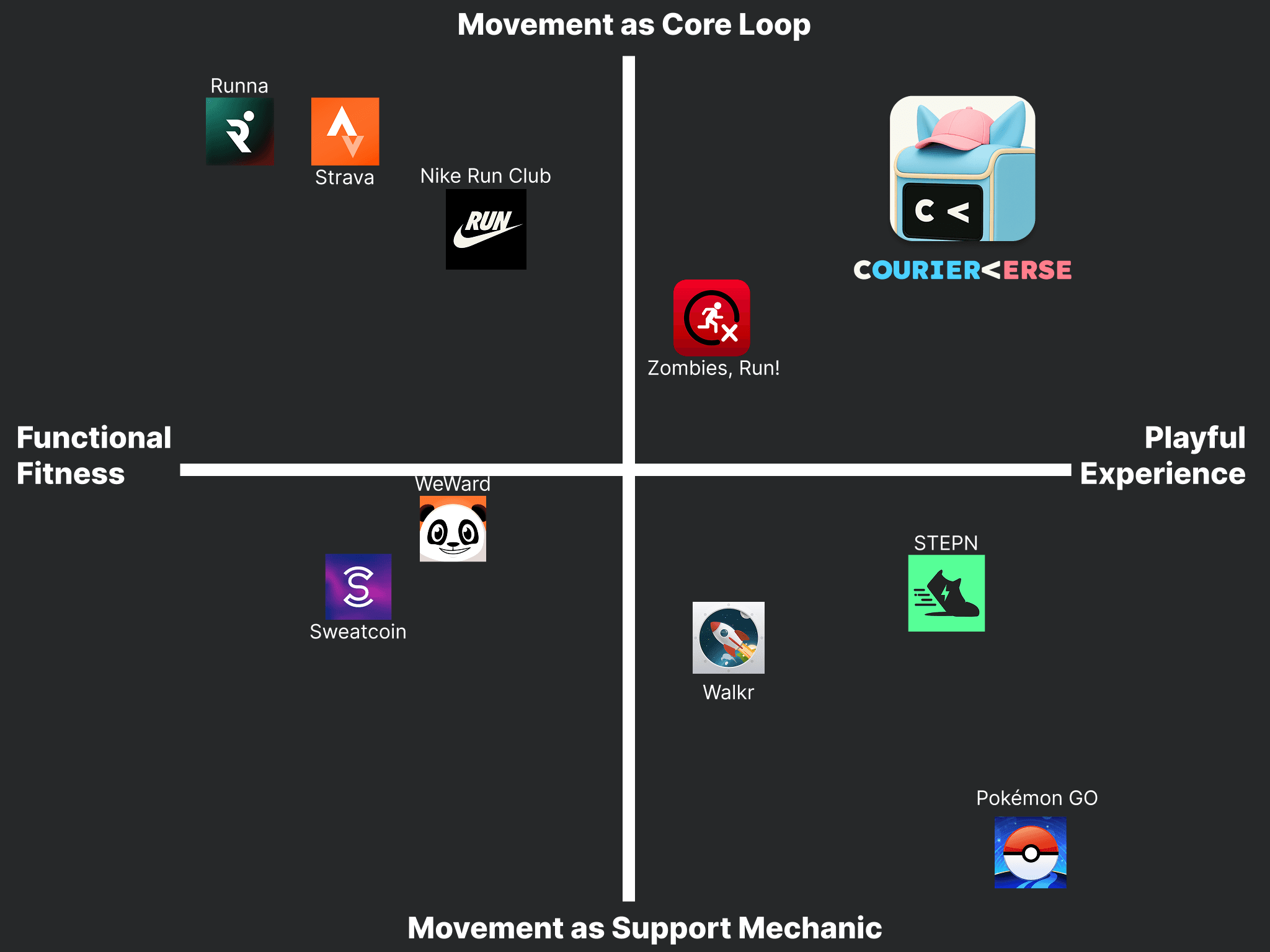
Running is boring. I built a game to fix that.
I'm a gamer. I've tried to build a running habit more times than I can count — and always quit after a month. The reason was always the same: running is just not interesting. Turns out I'm not alone.
So I built the thing I wished existed.
The Product
Here's how it works.
Run & Deliver
Browse the 3D map, accept orders, and run to deliver — slide to confirm at each step, celebrate on completion.
Gacha
Earn coins from deliveries, spend them on blind-box character draws.
Profile
Your collection, delivery history, and app settings.
The Duolingo of Running
The concept came from five very different places. Hover each one to see how it shaped CourierVerse.





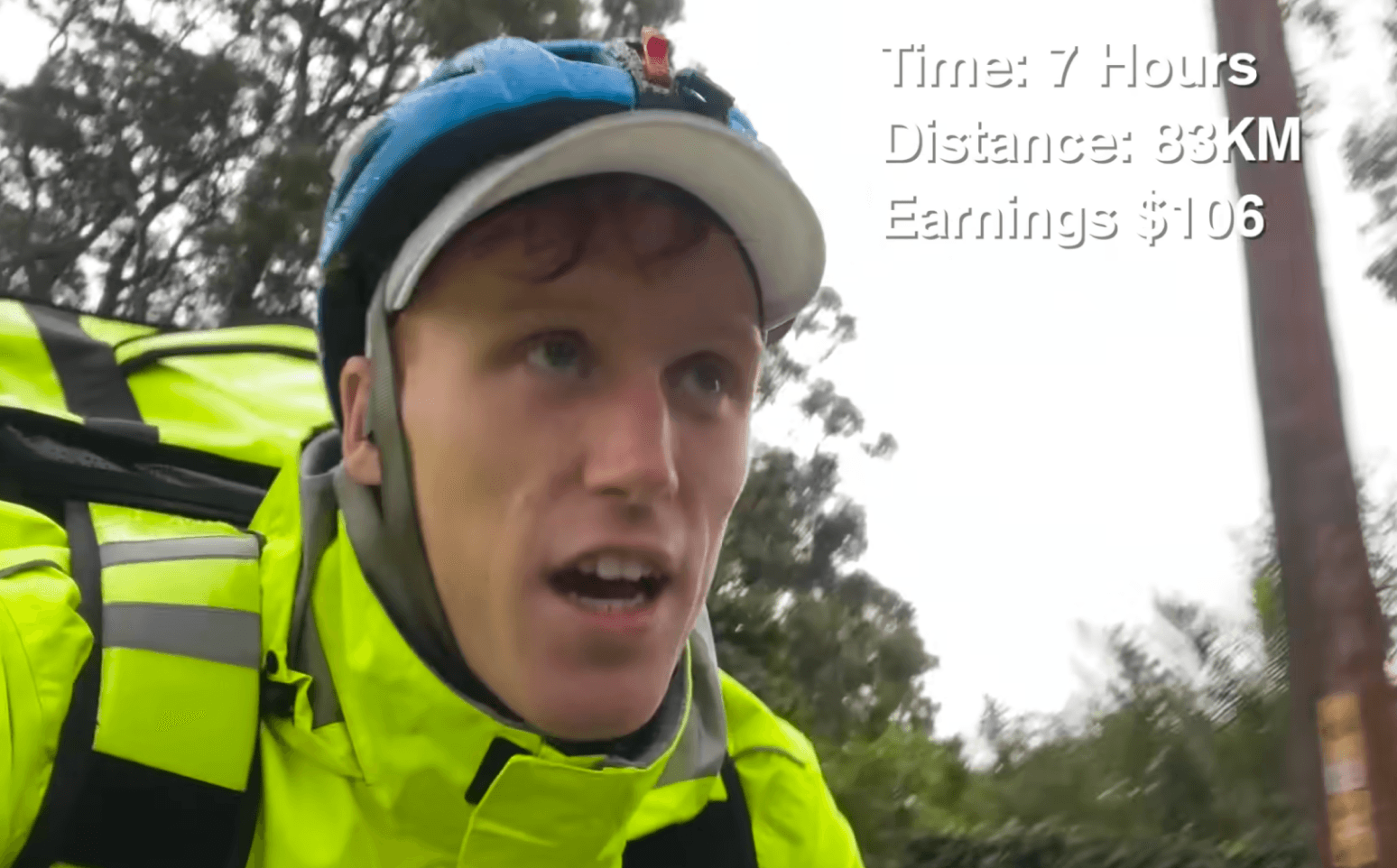
A creator who lost weight just by delivering food on a bike. No gym, no routine — just exploring the city, earning money, and moving without thinking about "exercise." That comment section is where this whole project started.
Early on, I designed a whole auto-chess battle system using collected characters. User testing made it clear — it felt like two different apps. I cut the entire feature. Sometimes the best design decision is knowing what to remove.
Designed by Hand, Built with AI
I'm a designer who codes — and AI made that practical at scale.


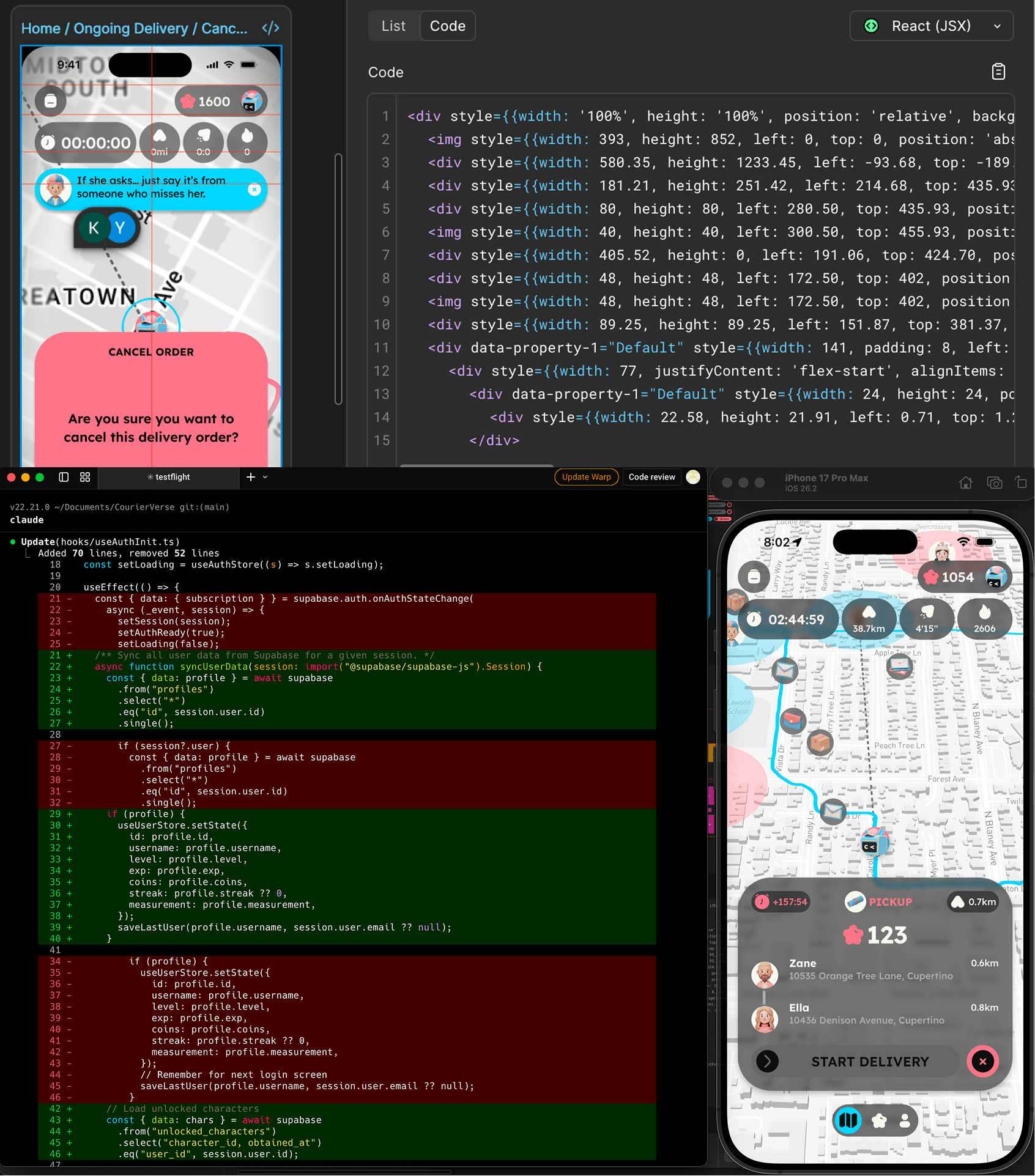
HANDOFF.md MethodAI assistants have context limits. My fix: after each session, I have the AI write a detailed HANDOFF.md documenting everything — architecture, patterns, decisions. A new session reads it and picks up exactly where the last one left off.
Visual Language
Pink, blue, and cream — designed to feel like a game, not a fitness app.
Early versions had a retro RPG aesthetic — pixel backgrounds, fantasy vibes. But testing revealed it created distance rather than immersion. The delivery concept works best when it feels like a second life, not a separate fantasy world. The pink-and-blue palette was a deliberate choice to feel trendy and game-like, standing apart from the dark athletic look of mainstream running apps.
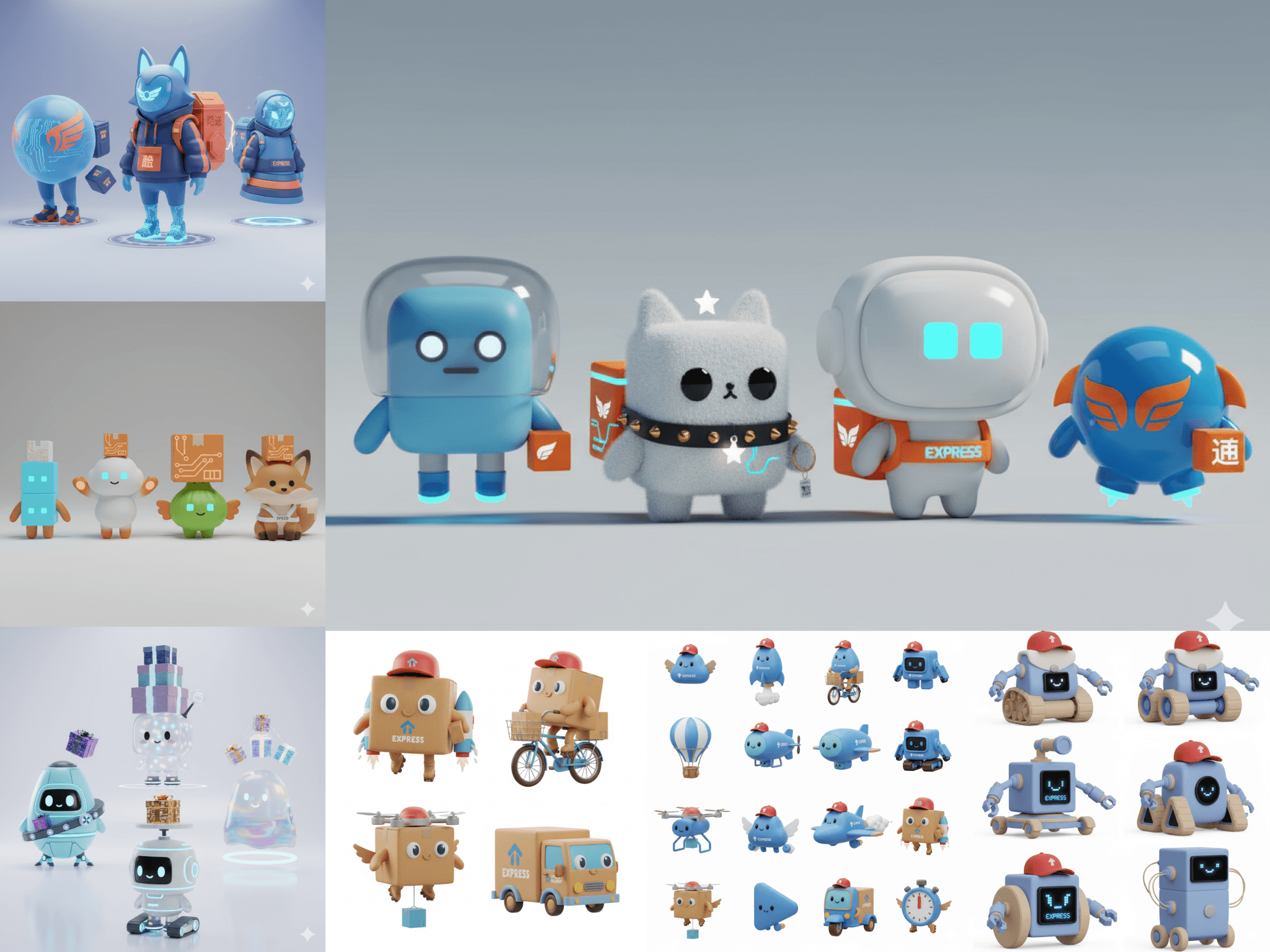
Meet the Carviis
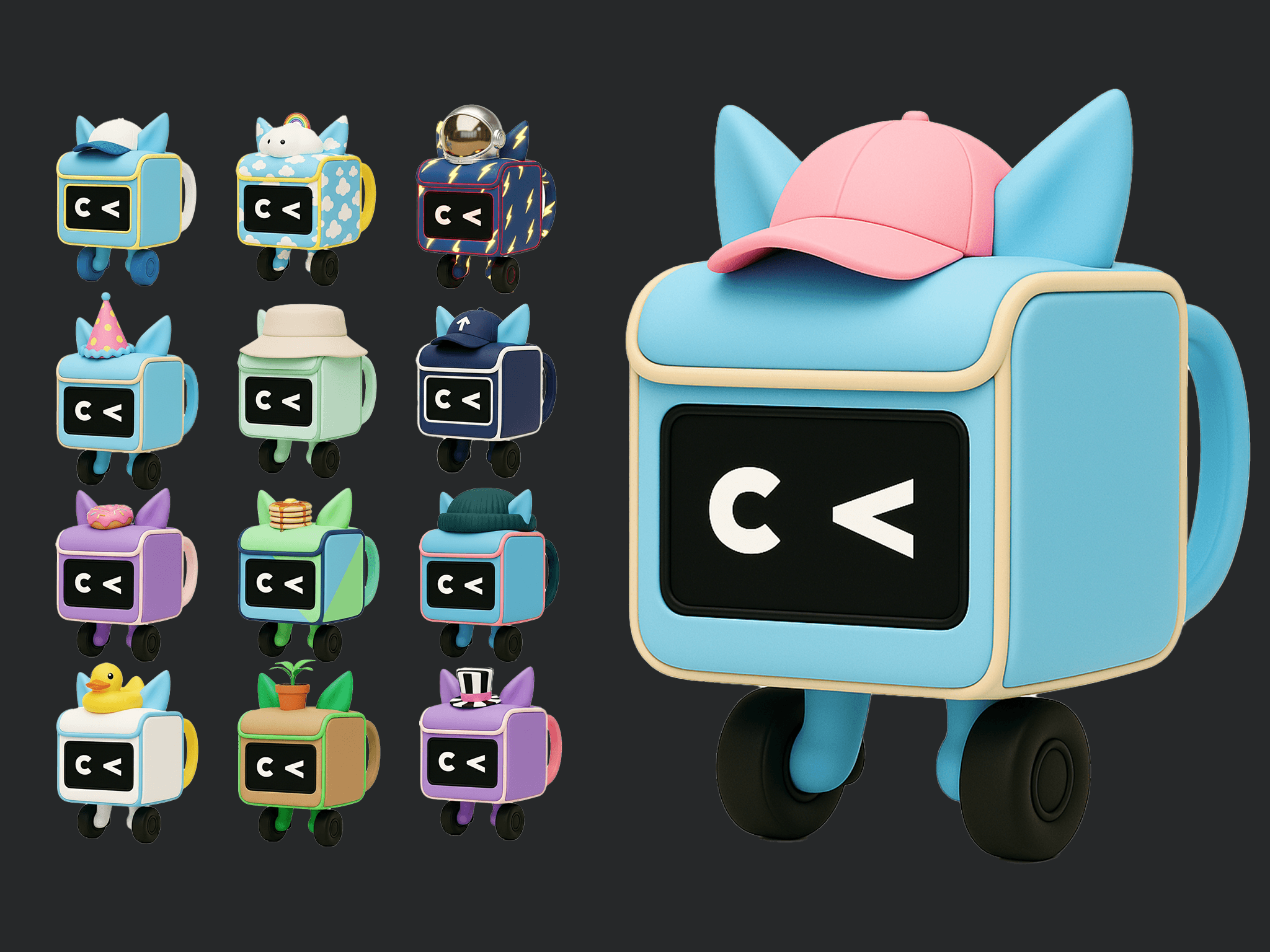
Carviis are the collectible companions that keep players running. Each one is a blind-box surprise — earned with coins from deliveries.
Incorporates courier and delivery visual elements
Cute enough to make you want to collect them all
Simple lines for easy creation of new variants
The final design: a backpack with cat ears, a hat nestled between them, the C< logo from CourierVerse as its face, and little wheels for feet. Simple enough to spawn endless variants, distinctive enough to feel like a character.
From App to Web
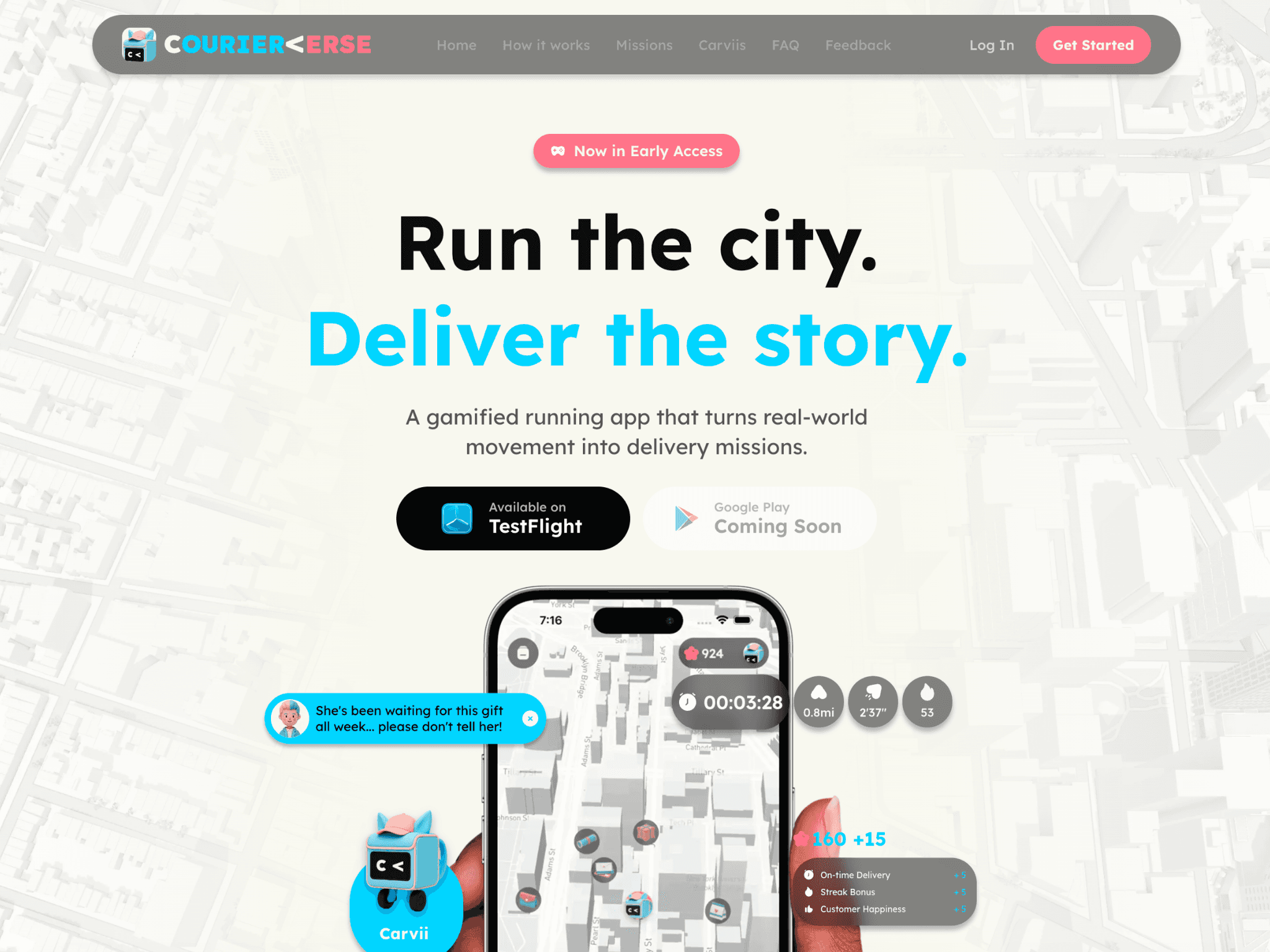
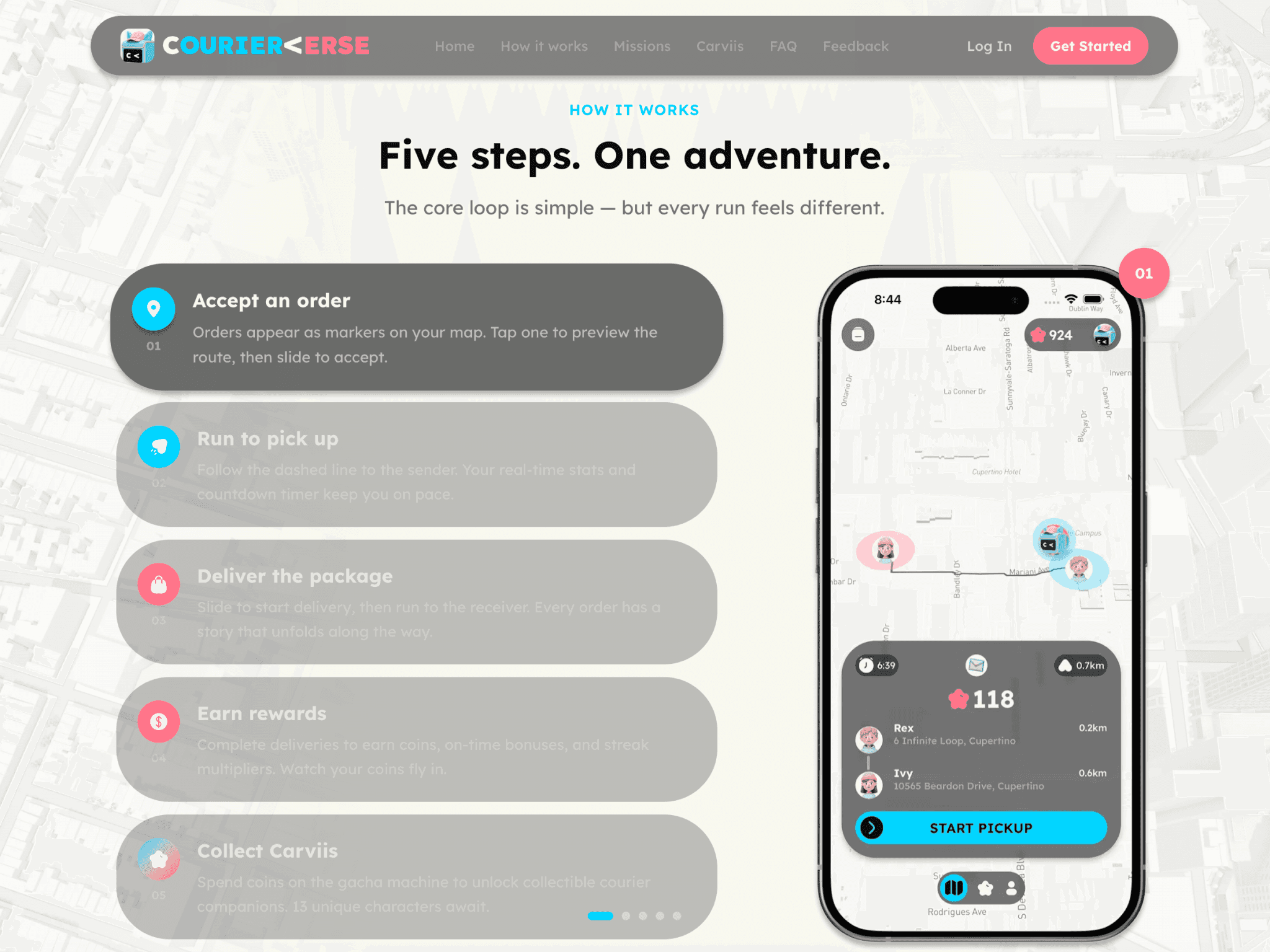
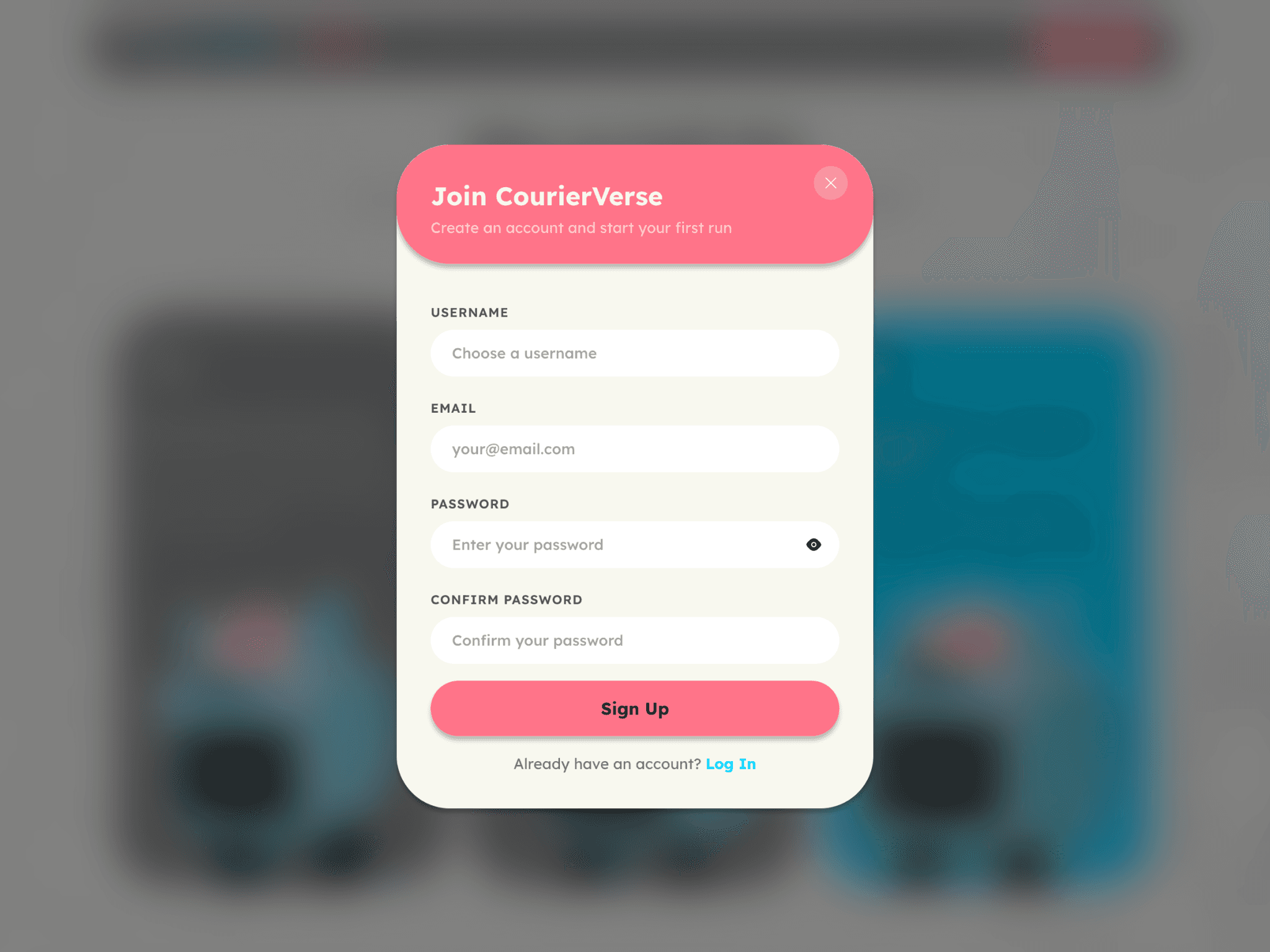
The same design system — colors, typography, border radius, blur cards — extended to a Next.js landing page. Deployed on Vercel at courierverse.site.
Where It Stands
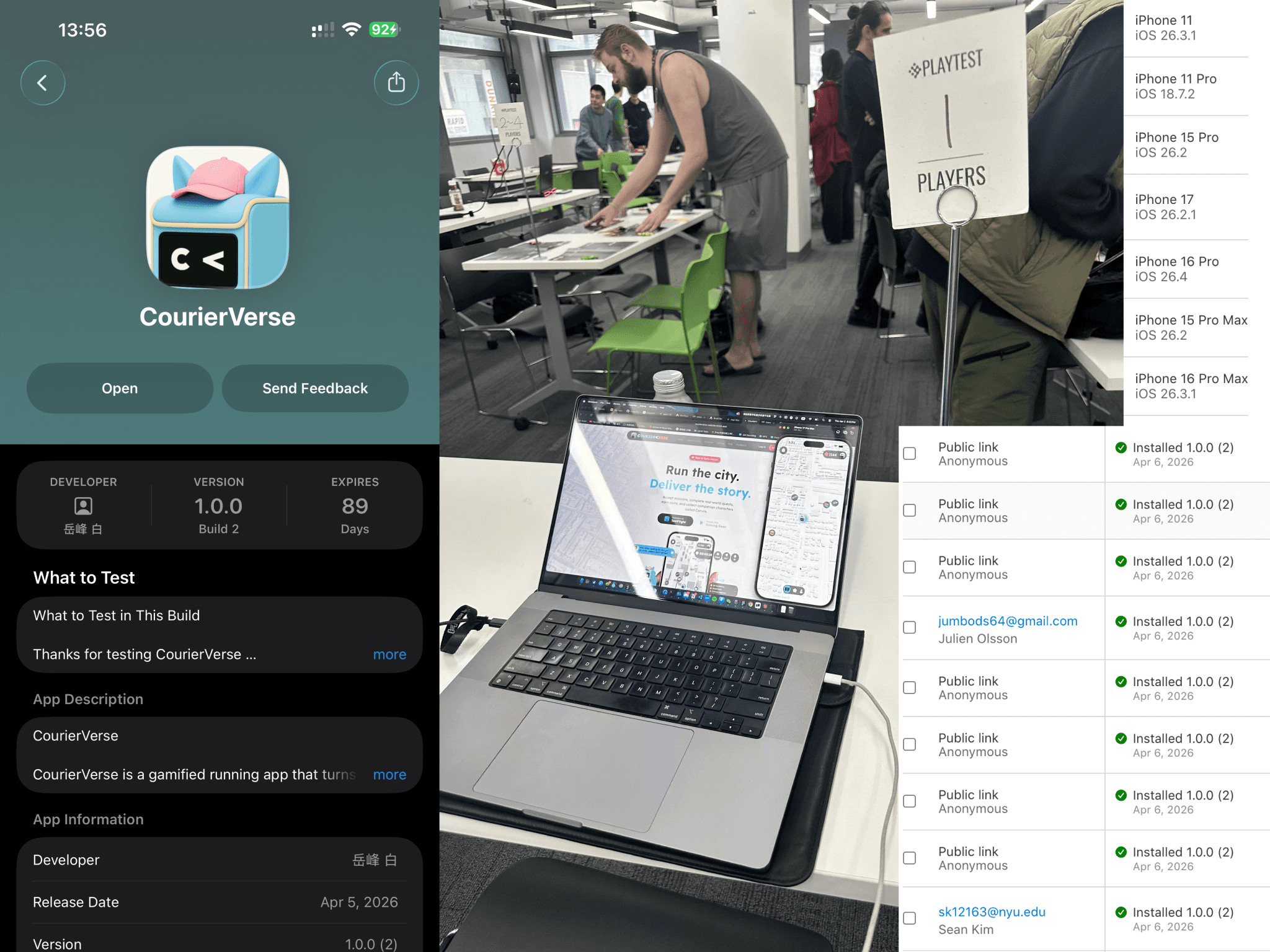
V1 is complete and live on TestFlight. I'm currently collecting user data and feedback to shape the next iteration.
V1 Complete
The first version covers the full core experience — accepting orders, running deliveries, collecting characters, and tracking progress. Currently in closed beta on TestFlight, gathering real-world usage data and user feedback through in-person playtest sessions.
Roadmap
Next
Dark Sand is a mobile app and wearable device that uses AI and EEG technology to visualize, record, and analyze dreams.